
The first few days after a facelift can involve more than swelling and discomfort. You may need to keep your head elevated, move carefully, manage dressings or drains, and adjust to seeing a face that may look very different while swelling settles.
Zen Concierge provides personalized facelift aftercare in San Francisco at home, in a hotel, or in our private recovery suite. Depending on your needs, support may include positioning, blood pressure monitoring, wound and drain care, hydration and nourishment, mobility assistance, and help following your surgeon’s recovery plan.
Care is matched to the complexity of your recovery, with RNs, LVNs, and CNAs available depending on the level of support you need.
Facial surgery can make ordinary parts of the day less straightforward. Sleeping, eating, washing up, getting out of bed, or finding a comfortable position may take more thought when your face is swollen and you are still adjusting to early recovery.
Every facelift recovery timeline is different. Your procedure, health, surgeon’s technique, and whether other facial procedures were performed at the same time can all affect how recovery progresses.
The first few days usually require the most hands-on support. You may feel tired or unsteady while swelling and bruising become more noticeable.
At Zen, this stage may include helping maintain head elevation, monitoring blood pressure, managing drains or wounds, staying hydrated and nourished, moving safely, and following your surgeon’s instructions for cooling or icing.
As the first week progresses, movement may begin to feel easier, and swelling may start to decrease, although bruising and visible swelling can still be significant.
Rest, positioning, incision care, and activity restrictions remain important. What you are cleared to do should always follow your surgeon’s instructions rather than a generic post op facelift timeline.
By the second week, many patients begin feeling more like themselves, although swelling, tightness, bruising, or numbness may still be present.
Your face continues to settle gradually over the following weeks and months. There is no single date when everyone suddenly looks “normal” again.
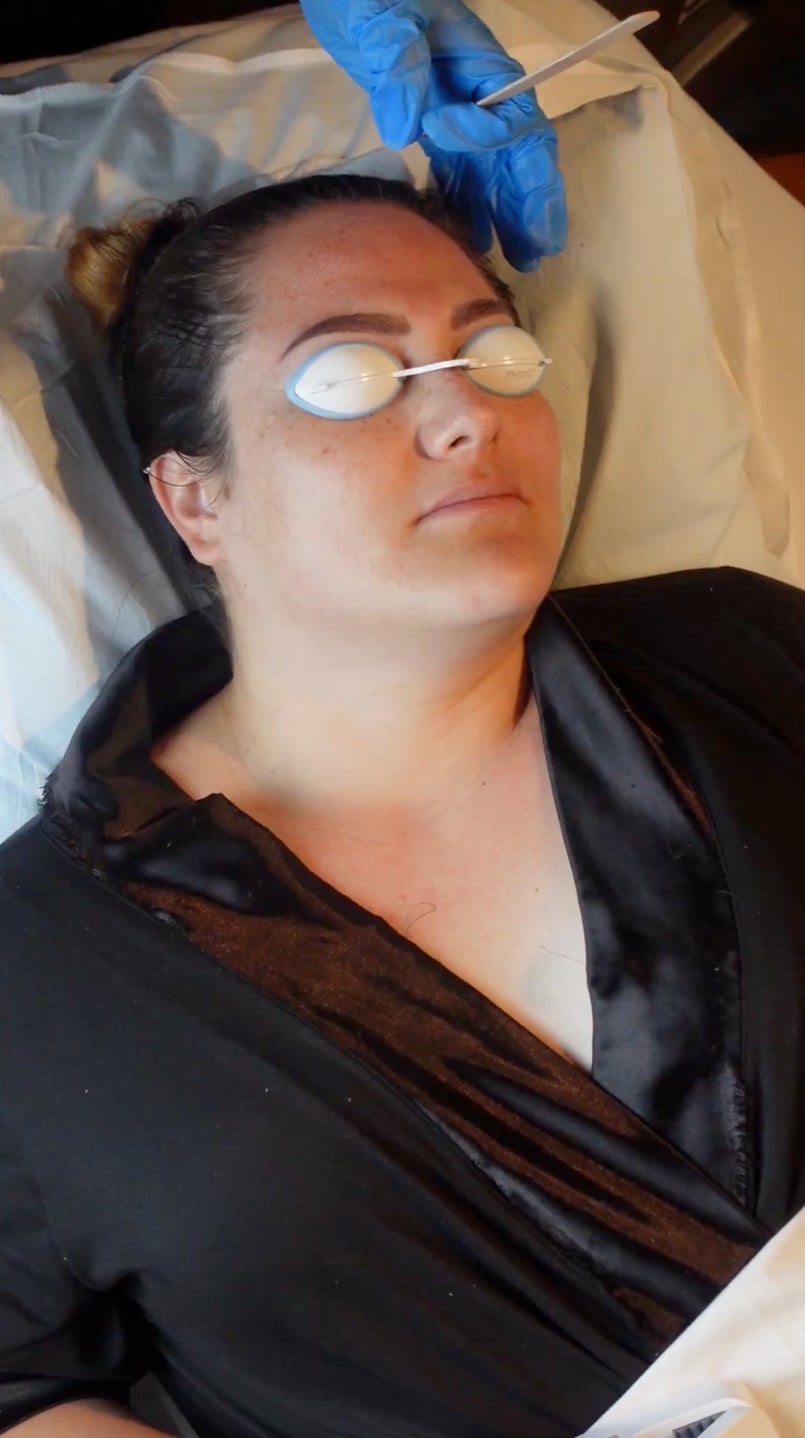
Keeping your head elevated is a common part of early facelift recovery and may help manage swelling and avoid unnecessary pressure on healing areas. Zen can help you get comfortable and maintain the position recommended by your surgeon.
How long you need to sleep elevated depends on your procedure and your surgeon’s protocol. Zen follows your surgical team’s instructions rather than applying one standard timeline to every patient.
Facelift recovery still involves getting out of bed, walking to the bathroom, bathing, eating, and moving around your recovery space. Fatigue, medication, dizziness, or swelling can make those ordinary activities less automatic in the first few days.
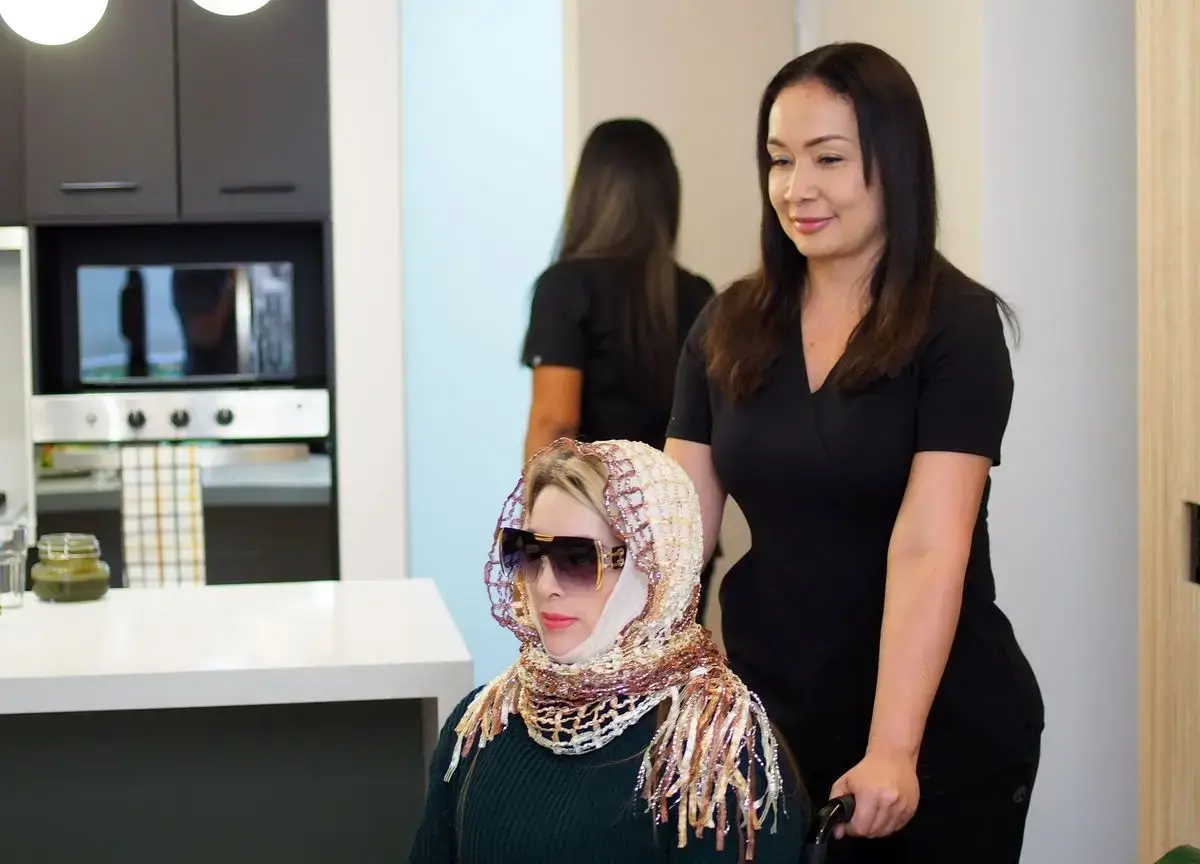
This can be particularly relevant when a facelift is combined with eyelid surgery. Swelling around the eyes may temporarily affect vision, making assistance with walking and everyday movement especially useful during early recovery.
Your care provider can help you move carefully while supporting the activity restrictions set by your surgeon.
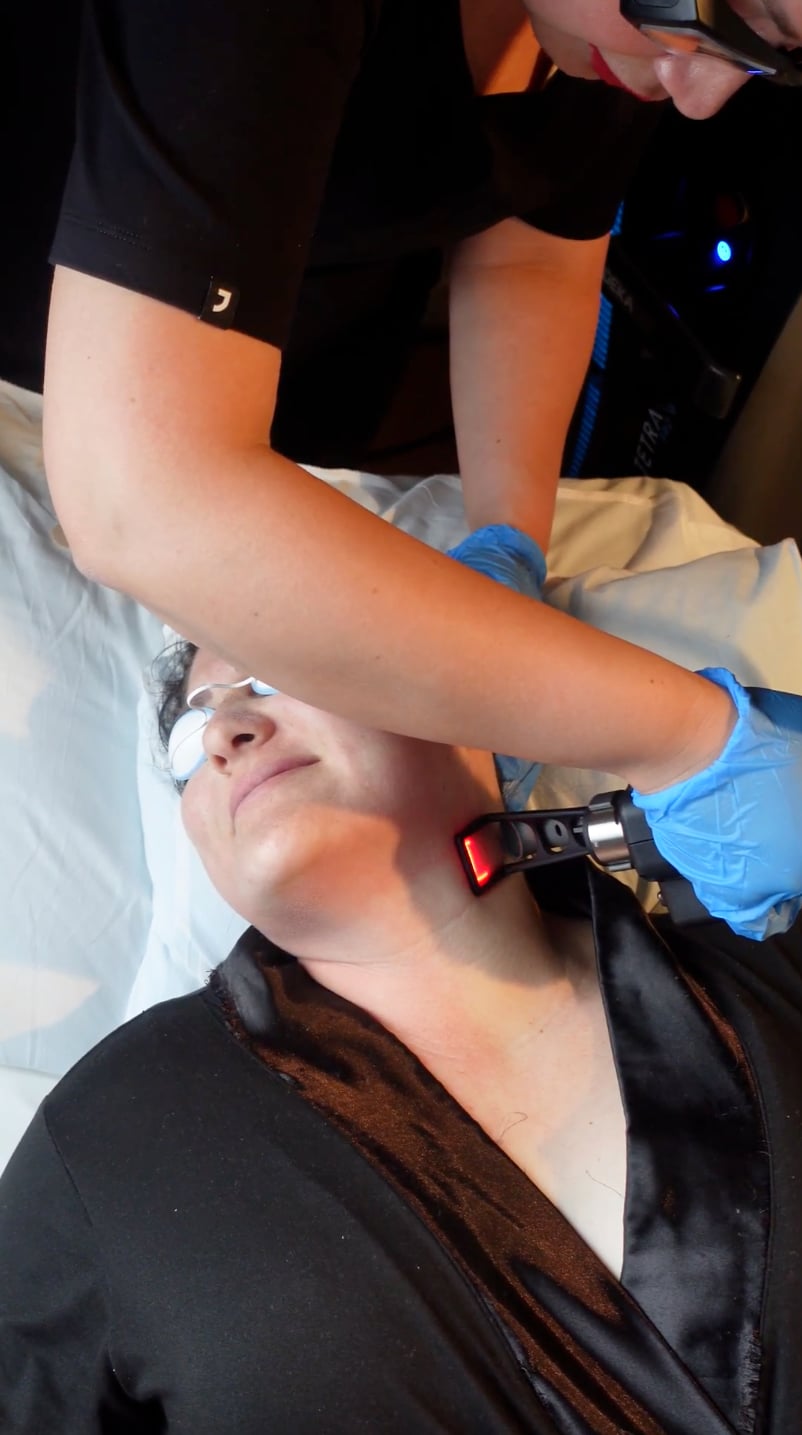
A facelift may be performed alongside procedures such as a neck lift, blepharoplasty, or facial fat transfer. When several areas are healing at once, your recovery plan may need to account for additional swelling, incisions, positioning restrictions, or temporary changes in vision and comfort.
Zen has experience supporting patients after combined facial procedures, including facelift, blepharoplasty, neck lift, and fat transfer.
Your care can be planned around the combined restrictions and instructions from everything you had done rather than treating each procedure separately.
Zen’s hands-on recovery care is provided by RNs, LVNs, CNAs, or a combination depending on the complexity of your recovery. Team members are CPR-certified, malpractice-insured, and background-checked.
Lidys brings more than 15 years of clinical nursing experience, including plastic surgery, outpatient surgery, medical-surgical care, and specialized post-surgical recovery training.
Your surgeon remains responsible for your surgical treatment and recovery instructions. Zen helps translate that plan into the practical details of daily recovery, including positioning, mobility, wound care, hydration, and keeping track of what needs to happen throughout the day.
Recovery care is designed to support you while you need it. As you become steadier and more comfortable managing your routine, Zen can help you and your caregiver understand what comes next and transition toward greater independence.
The first few days are often the most demanding because you are dealing with the immediate effects of surgery while swelling and bruising are still developing. How you feel and when swelling peaks varies by procedure and patient.
Many surgeons recommend sleeping on your back with your head elevated during early recovery. The exact position and how long you need to maintain it depend on your surgeon’s instructions.
Visible swelling usually improves gradually over the first few weeks, but smaller changes can continue for much longer as the tissues settle. Your surgeon can give you the most realistic timeline based on the procedures you had.
Your surgeon may restrict strenuous activity, bending, lifting, certain head or neck movements, pressure on healing areas, and other activities during recovery. Follow the restrictions given specifically for your procedure.
Follow your surgeon’s instructions, maintain the recommended positioning, stay hydrated and nourished as tolerated, move as directed, attend your follow-up appointments, and arrange support for the parts of early recovery that are difficult to manage alone.
If you already know your surgery date, Zen Concierge can help you plan the support you may need during early recovery, whether you will be staying at home, in a hotel, or in our private San Francisco recovery suite.
We provide private post-operative care throughout San Francisco and the Bay Area, including:
If you’re recovering nearby and don’t see your location listed, reach out. We may still be able to arrange care based on availability.