
The hardest part of a tummy tuck often isn’t the surgery itself. It’s recovering while the abdominal area and core you rely on for everyday movement are healing. Even simple things like getting out of bed, standing, walking, or finding a comfortable position can feel more difficult at first. For many patients, the first 48 hours are the most demanding.
Zen Concierge provides personalized tummy tuck post-op care before surgery, on surgery day, and through early recovery, following the plan provided by your surgical team.
Care is available at home, in your hotel, or in our private San Francisco recovery suite throughout San Francisco and the Bay Area.
A tummy tuck, or abdominoplasty, removes excess abdominal skin and may also involve liposuction and tightening of the abdominal muscles. Recovery can require more planning and hands-on support than many patients expect. Here’s what the early stages often look like.
Prepare where you will recover, who will help you, how transportation and meals will be handled, and what your surgeon wants ready. Depending on your instructions, useful items may include wedge pillows, a drain holder, a shower chair, a stool softener, compression stockings, or other mobility aids.
For many patients, the first two days are the most intense, with pain and tightness sometimes overlapping with nausea, bloating, dizziness, limited movement, and difficulty getting comfortable. This is often when hands-on help with medications, positioning, walking, drains, compression, meals, fluids, and personal care can be most useful.
In many of the tummy tuck patients we’ve cared for, movement and day-to-day tasks start to feel more manageable around day 3, although recovery varies. Support often shifts toward caregiver handoff, follow-up care, changing compression needs, and greater independence as your surgeon allows.
Zen Concierge turns your surgeon’s recovery instructions into the practical routines you need after you leave the surgical setting.
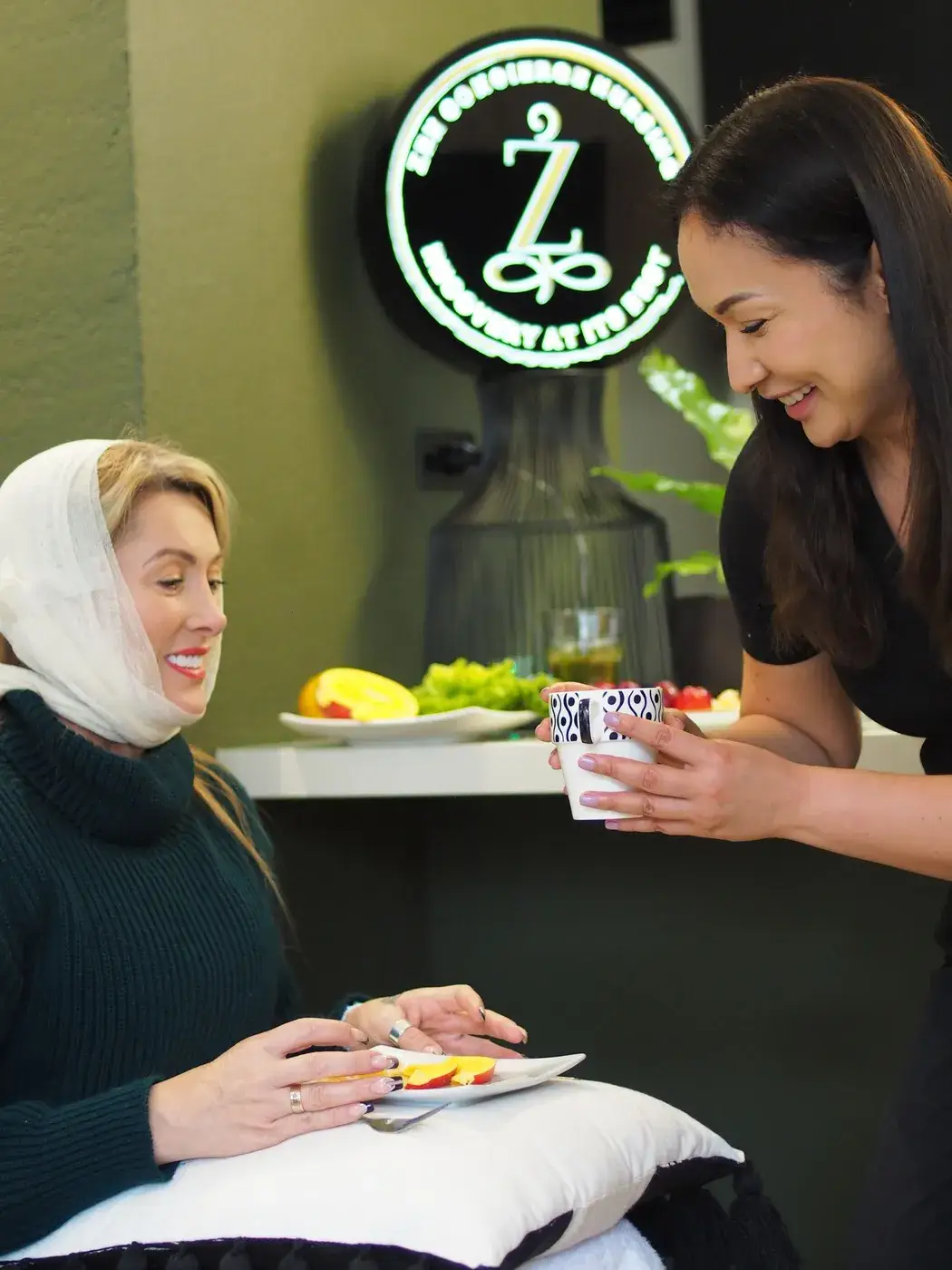
We help you think through your recovery space, prescribed medications, clothing, compression, meals, transportation, and any equipment your surgeon recommends so fewer practical decisions are left for the first few days after surgery.
Zen Concierge can coordinate private medical transportation from your surgical facility to your home, hotel, or our private San Francisco recovery suite. A separate staff driver handles the road so your nurse or care provider can stay focused on you during the trip.
Medication schedules can be harder to manage when you are tired, uncomfortable, or still feeling the effects of anesthesia. Using your surgical team’s plan, we can help organize prescribed medications, document what has been taken, and support the routines around rest, hydration, and early comfort.
Patients often underestimate how much they use their core for ordinary movement. Getting out of bed, repositioning, sitting, standing, coughing, laughing, or even taking a deep breath may feel more difficult at first.
We can help with walking, sleeping and sitting positions, and other comfort measures while respecting your surgeon’s movement and lifting restrictions.
If drains or dressings are part of your recovery, we can help manage the day-to-day routine and track what your surgical team wants monitored. We can also assist with showering, dressing, bathroom needs, and other tasks that become harder when bending and abdominal movement are limited.
A common misconception is that once you have a compression garment, you are set for the whole recovery. In reality, fit can change as swelling decreases, so a garment that worked earlier may become too loose or uncomfortable and need to be reassessed or replaced.
Zen Concierge offers in-person fittings and reassessments to help keep compression appropriate as your body changes.
Nausea, bloating, medications, and constipation can all affect eating and drinking during early recovery. We can help with fluids and foods you tolerate comfortably while supporting any nutrition or bowel-care instructions provided by your surgical team.
Good recovery support should leave both you and your caregiver feeling prepared, not unsure what to do next. We guide you through key routines such as medication timing, positioning, mobility, compression, meals, and bathroom needs, using practical tools like medication records and daily care schedules.
Zen also uses a simple Positioning, Potty, Pain framework as part of the caregiver handover to keep the most important routines clear.
Your surgeon’s instructions remain the authority for your recovery. We help you understand what your surgical team wants monitored, document relevant changes, and know when a question or concern should be reported back to the surgeon.
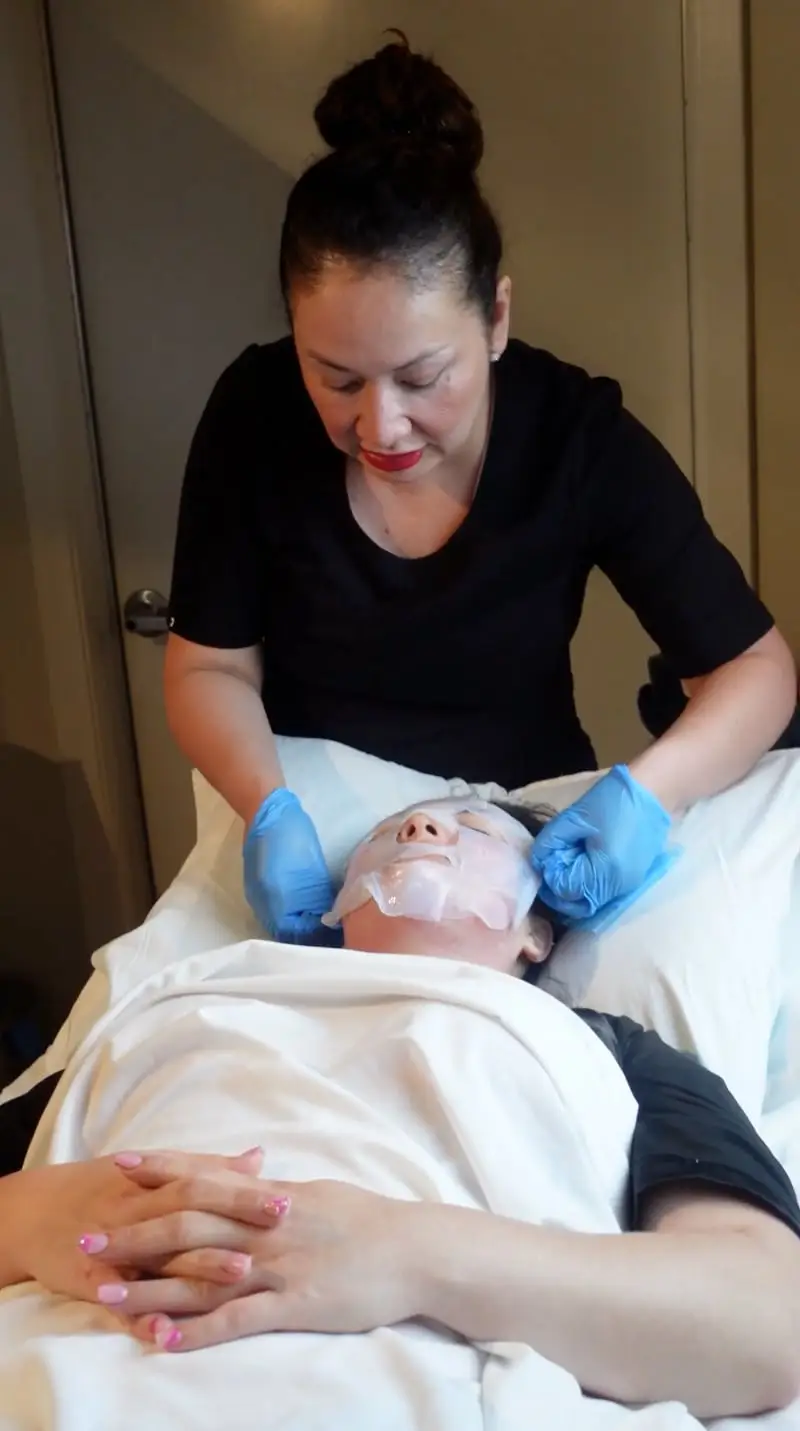
At Zen Concierge, we plan the support around your procedure, surgeon’s instructions, health history, recovery location, and the help already available to you.
Zen Concierge is led by Lidys Lopez, RN, BSN, MLD-C, together with a team of licensed healthcare professionals experienced in post-surgical care. Lidys brings more than 15 years of clinical nursing experience across medical-surgical nursing, plastic surgery, outpatient care, cardiac and telemetry medicine, and dialysis, with experience at UCSF, UPMC, CPMC, and Dignity Health. She also understands recovery from the patient side, having gone through surgery herself.
Depending on the complexity of your recovery, care may be provided by an RN, LVN, CNA, or a combination. RNs guide and supervise delegated care within each team member’s qualifications and scope of practice.
Some patients need only a few hours of support, while others benefit from overnight or longer care. The level of help can step down as pain is better controlled, movement improves, food and fluids are tolerated, and you or your caregiver become more comfortable with the routine.
Care can take place at home, in a hotel, or in Zen Concierge’s private San Francisco recovery suite. When home or hotel recovery would require more coordination, we may recommend the suite for its private bathroom, ground-floor access, adjustable bed, and recovery equipment already in place.
The goal is not to keep you dependent on care. As you become more mobile and confident, we guide the transition step by step so you and your caregiver feel prepared to take on more of the day-to-day routine as hands-on support gradually decreases.
Zen Concierge can support different stages of your recovery through the same team, from early post-op care to compression fittings, lymphatic drainage, and selected later-stage treatments. That means more continuity and less need to start over as your needs change.
Professional tummy tuck aftercare may be especially useful if you:
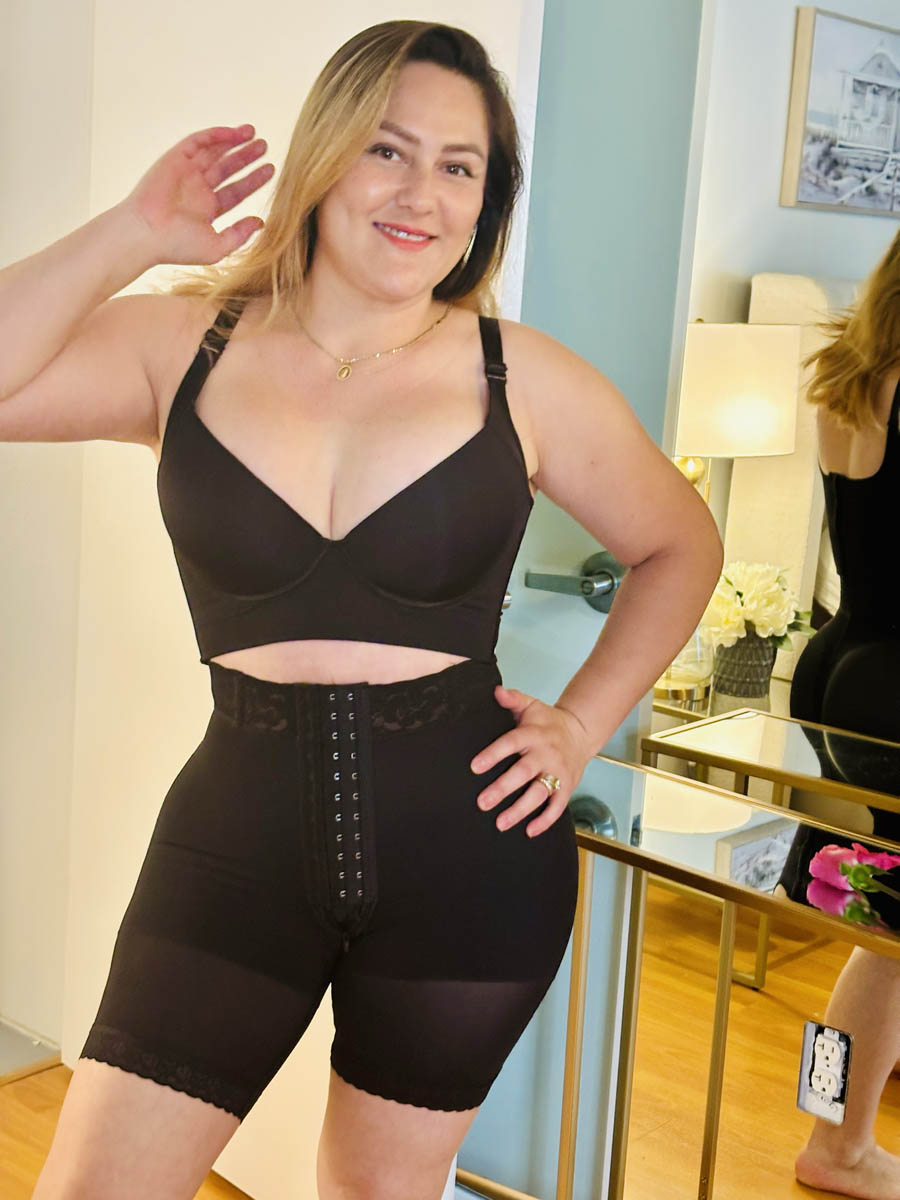
As hands-on care becomes less necessary, recovery needs often shift toward swelling, compression, scars, and other later-stage concerns. Zen Concierge can continue supporting you with services appropriate to your stage of healing and your surgeon’s guidance. These services can be booked separately as needed.
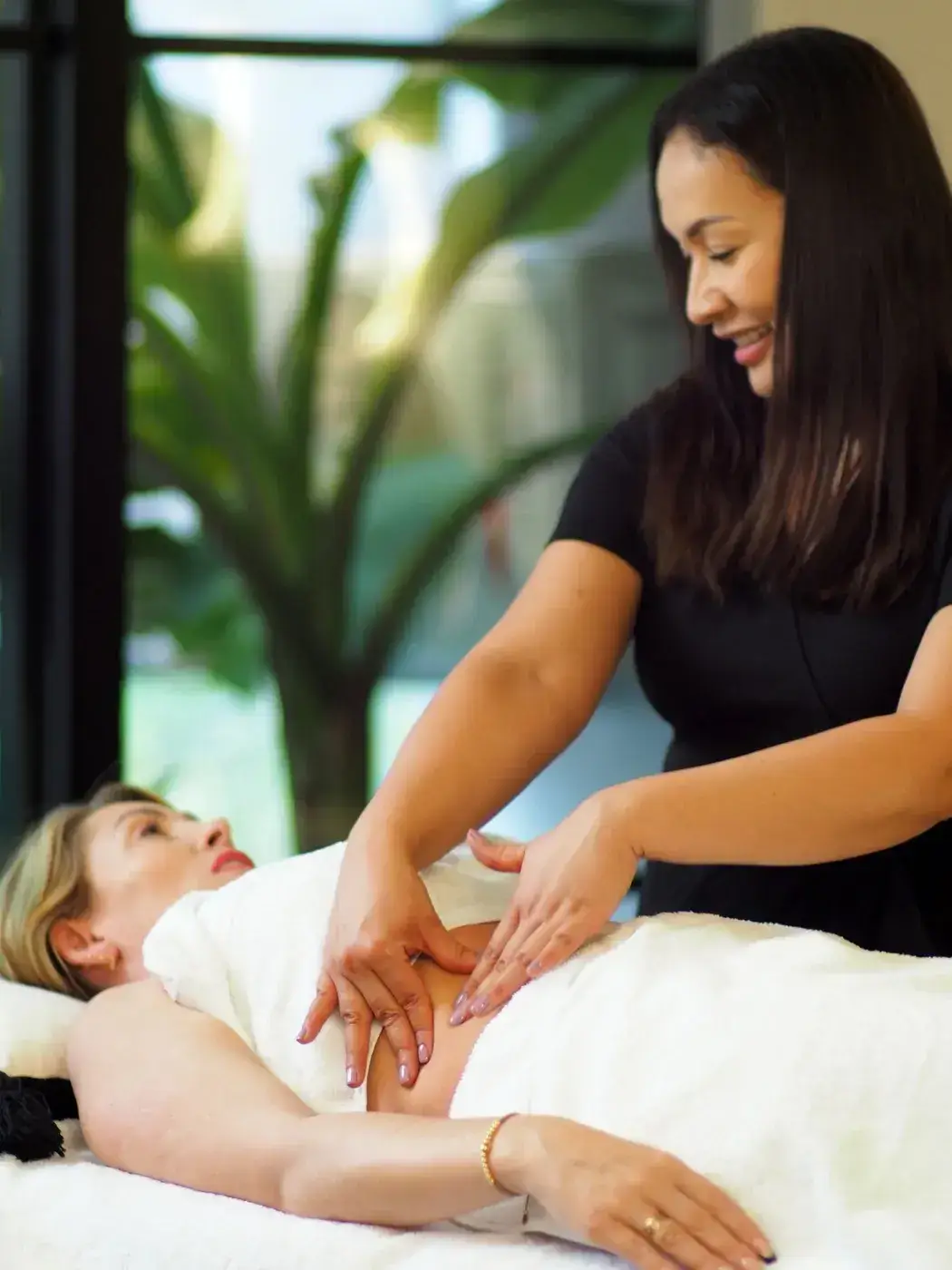
When appropriate and approved by your surgeon, manual lymphatic drainage may help manage post-surgical swelling and excess fluid. Zen uses gentle, superficial techniques and adjusts sessions around your procedure, positioning restrictions, and stage of healing.

Compression can help manage swelling and support the treated area, but fit matters. As swelling changes, a garment may become too loose or uncomfortable, so Zen Concierge offers in-person fittings and reassessments to help keep compression appropriate throughout recovery.
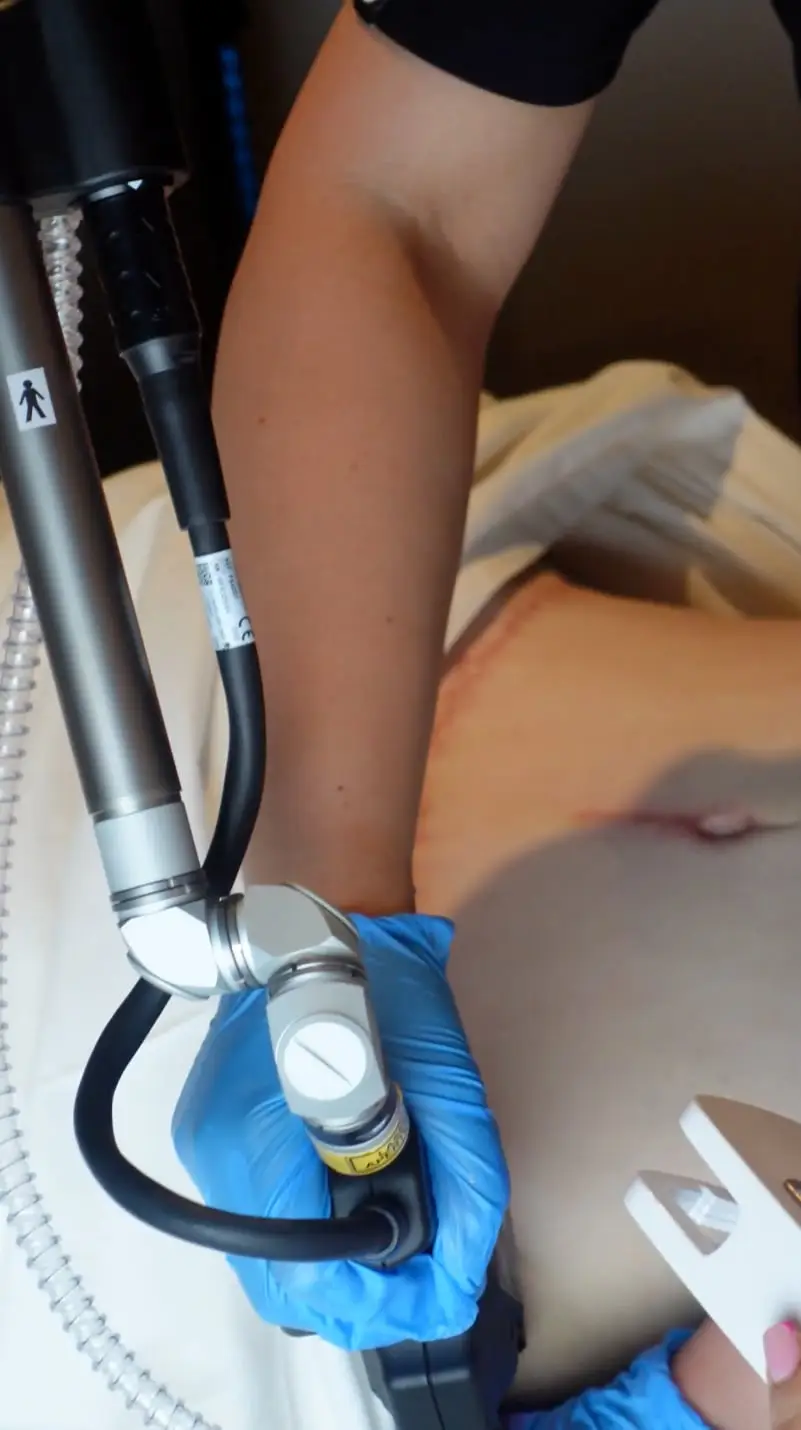
Scar care becomes relevant once your incision is ready and your surgical team has cleared appropriate treatment.
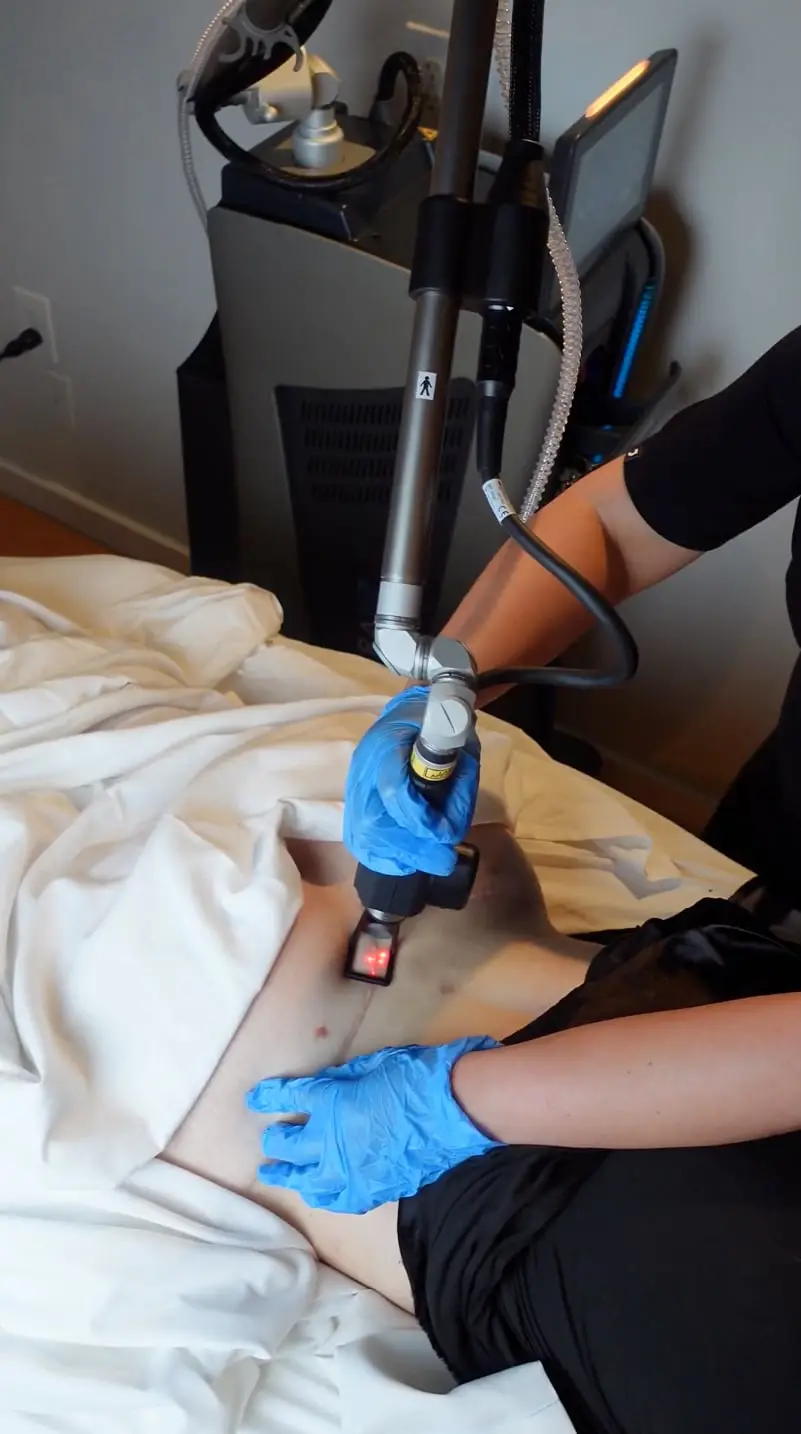
Depending on your stage of healing, treatments such as LED light therapy, radiofrequency, ultrasound, or K-taping may also be considered as part of your recovery plan. These are not automatically part of every tummy tuck recovery plan.
For many patients, the first 48 hours are among the most demanding. Pain and tightness may overlap with nausea, bloating, dizziness, drains, compression, and limited movement, although recovery varies from person to person.
Tummy tuck recovery can involve significant soreness and tightness, especially when standing, walking, coughing, or changing positions. Your surgeon should provide your pain-management plan, while Zen Concierge can help you stay organized with the prescribed routine.
Avoid activities your surgeon has restricted, which may include certain movements, lifting, positioning, bathing, or changes to compression. Your surgical team’s instructions should always take priority over a general recovery timeline.
Maybe, but two weeks is not a universal milestone. Your surgeon should tell you when side sleeping is appropriate based on your procedure and healing.
There is no safe shortcut. Designing a recovery plan to prepare before surgery will be the best foundation for success based on your surgeon’s instructions. The implementation of the right medication administration, adequate nutrition, management of post-anesthesia symptoms, and support during activities can decrease discomfort, prevent complications, and make recovery after a tummy tuck faster.
Generally it is three months, but your surgeon determines whether compression is part of your tummy tuck post-op care plan and how long it should be worn. Fit will need readjustments during the different stages of healing.
The best post-op tummy tuck faja should offer support without being extremely tight because circulation is needed around the incision for proper healing. Some surgeons recommend wearing a full-body stage 1 low-compression faja after a tummy tuck; other surgeons recommend wearing an abdominal binder over the surgical area. Always consult with your surgeon before wearing a compression garment after a tummy tuck to ensure the healing of the incision doesn’t get compromised.
We provide private post-operative care throughout San Francisco and the Bay Area, including:
If you’re recovering nearby and don’t see your location listed, reach out. We may still be able to arrange care based on availability.