A surgical scar can stay raised, firm, red, thickened, itchy, tender, or restricted long after the incision has closed.
At Zen Concierge, we assess the scar and the tissue around it before recommending treatment. We look at how the scar formed, how long you have had it, whether it is still changing, and whether firmness, fibrosis, swelling, or another postoperative tissue change is contributing to the concern.
Scar revision is not one treatment.
The treatment depends on what is making the scar noticeable or uncomfortable.
We may be addressing:
A red scar does not necessarily need the same treatment as a thick scar. A keloid should not be approached like an ordinary surgical incision. A scar that feels hard may also involve fibrosis beneath the skin.
That is why we assess the problem before choosing the modality.
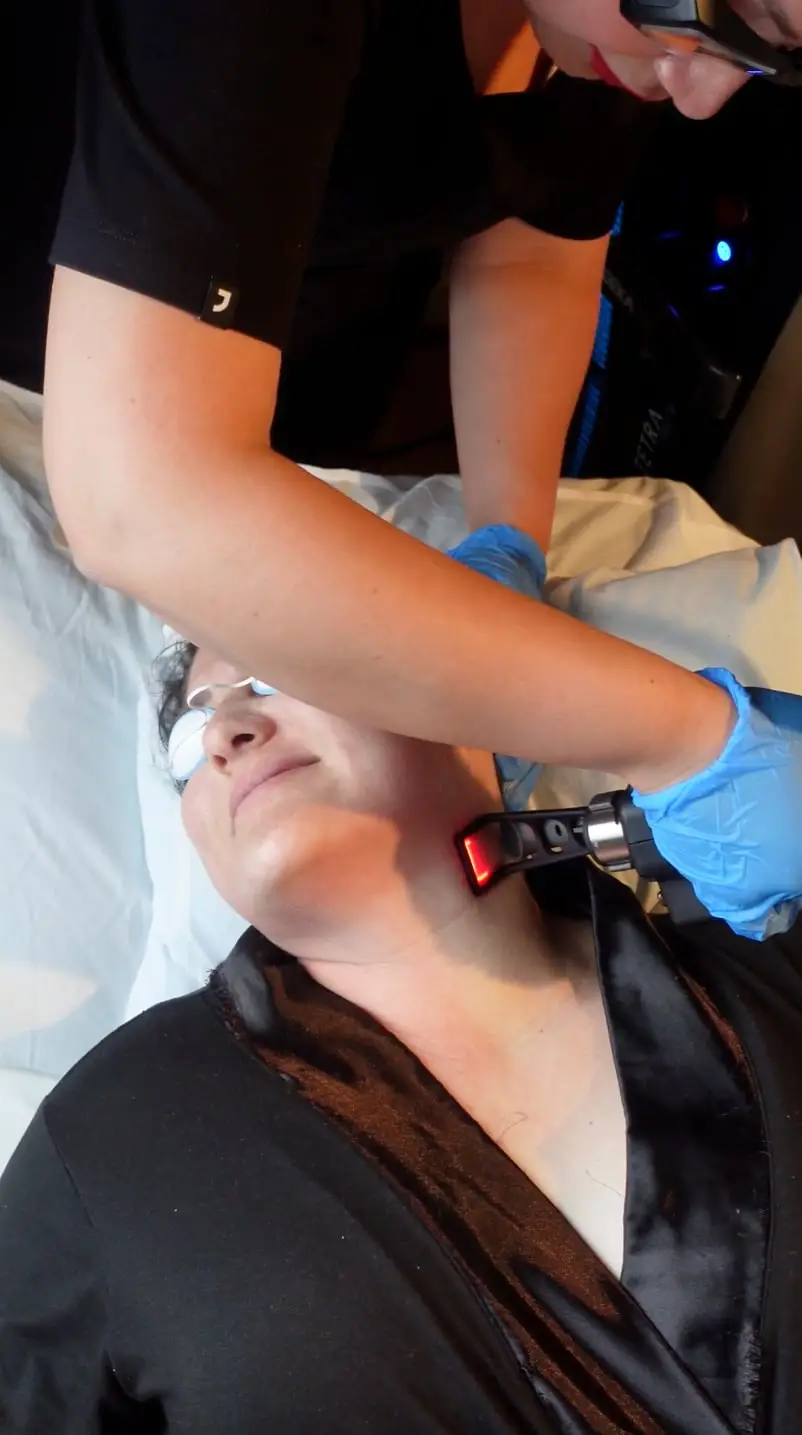
Red and near-infrared photobiomodulation may be incorporated to support scar remodeling and tissue recovery without puncturing or resurfacing the skin.
LED may be considered for scars that remain firm, red, tender, or actively remodeling.
Radiofrequency may be used when firmness, tissue restriction, or postoperative fibrosis is contributing to the scar concern.
The treatment area and stage of healing are assessed first.
When swelling is still present around the surgical area, manual lymphatic drainage may be incorporated before or alongside scar-focused care.
MLD can be combined with INDIBA radiofrequency and LightStim LED in the same session when appropriate.
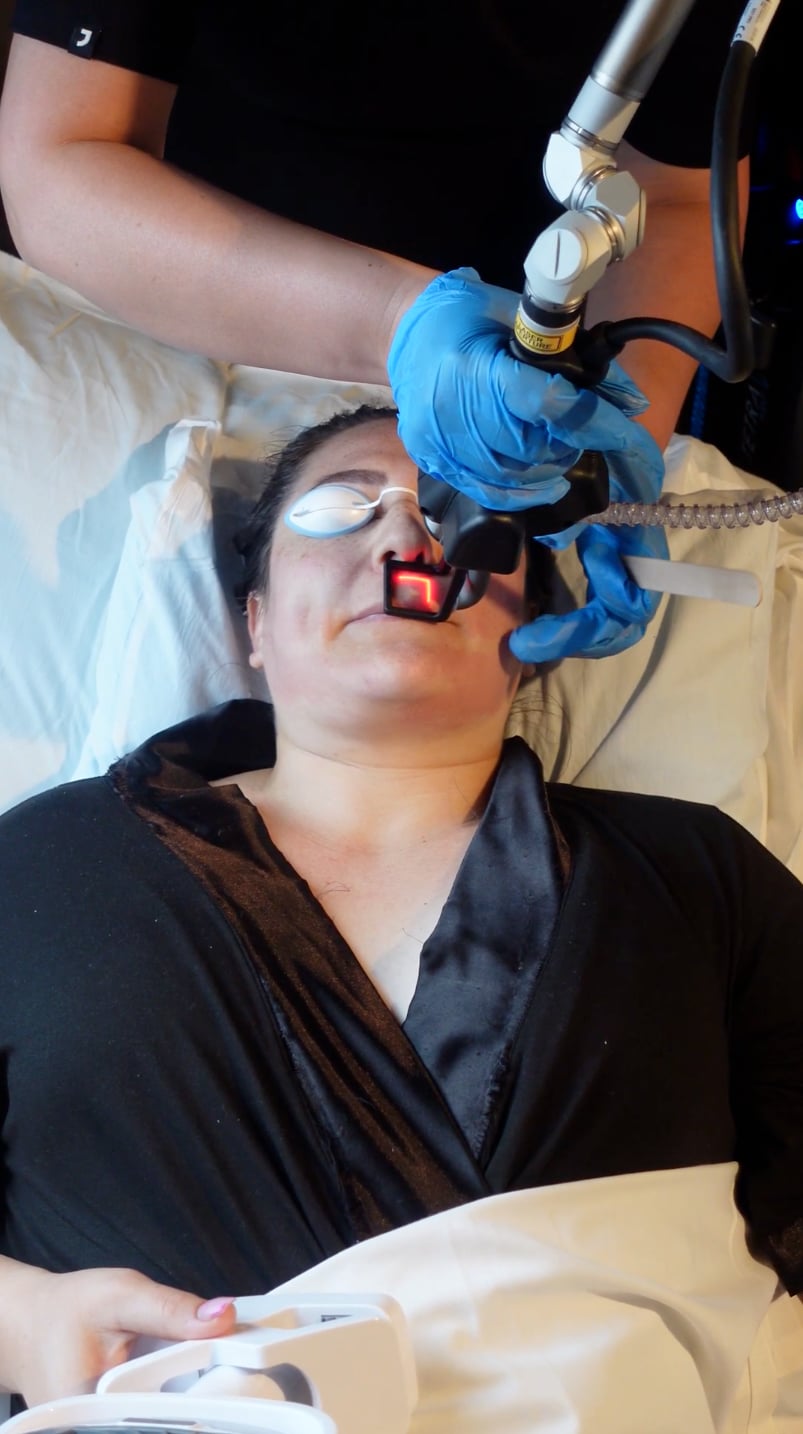
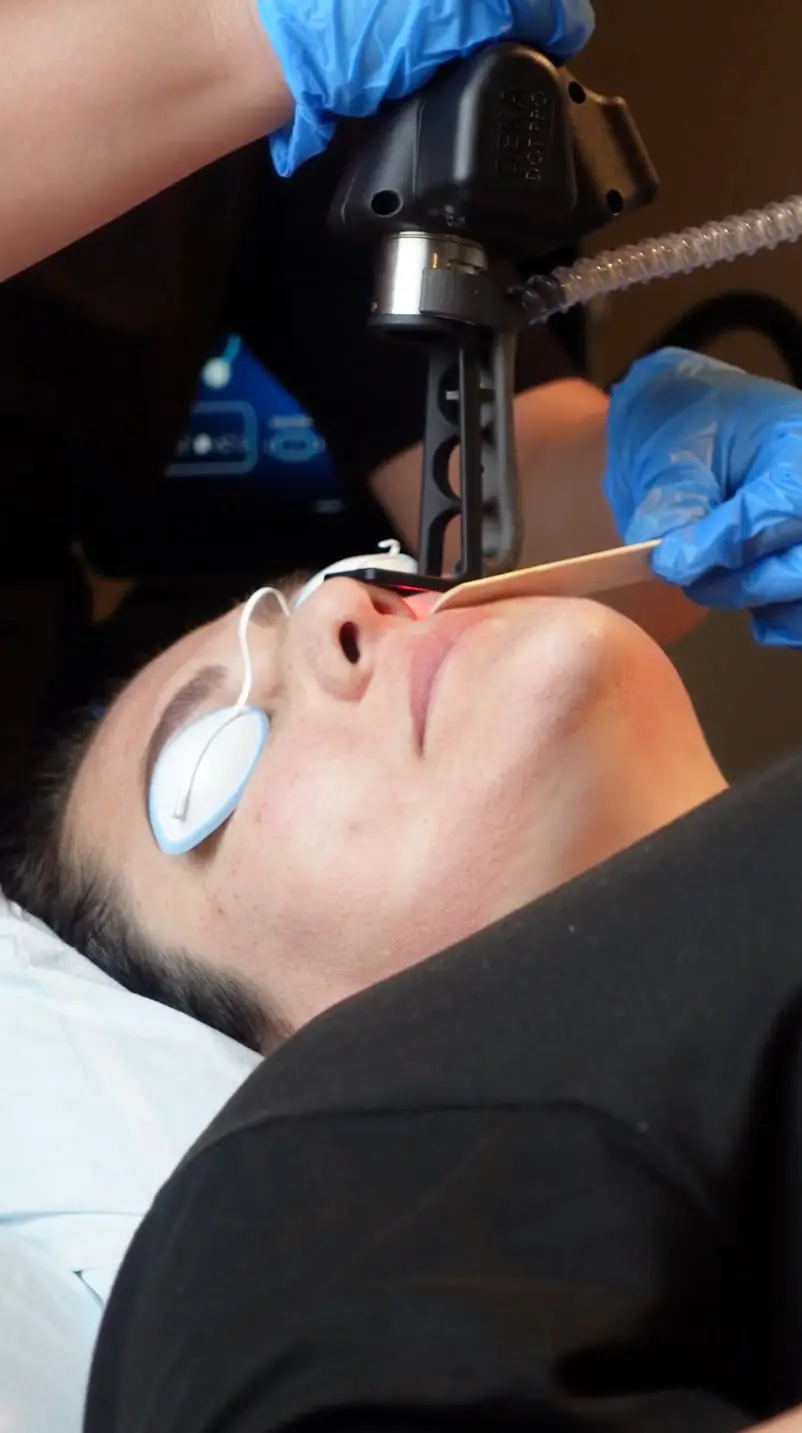
CO2 laser resurfacing may be used to improve the thickness, texture, and appearance of certain surgical scars by stimulating collagen remodeling.
We assess the scar’s age, depth, thickness, and surrounding skin before determining whether CO2 laser treatment is appropriate. Healing time and the risk of pigmentation changes are also considered.
ProCell microchanneling creates controlled microchannels in the skin to stimulate collagen production and support scar remodeling.
It may be considered for healed surgical scars with uneven texture, firmness, or visible irregularities. We evaluate the scar’s condition and stage of healing before recommending treatment.
Compression can remain relevant after procedures such as liposuction, tummy tuck, BBL, and breast surgery.
We help assess fit and support as swelling changes and the surgical tissues continue to settle.
They are not the same.
A hypertrophic scar becomes raised and thickened but stays within the original incision.
A keloid grows beyond the original wound and may continue enlarging after the incision has healed.
Keloids often require more than one type of treatment and may need physician-directed therapies such as injections, silicone, pressure therapy, laser treatment, or surgical management.
If a scar is growing outside the original incision, we evaluate whether it appears consistent with keloid formation before deciding what role Zen’s scar-care modalities may have.
Patients often search for scar removal in San Francisco, but completely erasing a scar is rarely realistic.
Scar revision focuses on making the scar less noticeable or less symptomatic.
Depending on the scar, treatment may aim to improve:
The goal depends on the scar you actually have.
Laser treatment can be useful for certain scar concerns, particularly color, texture, or thickness.
But laser scar removal is not the right answer for every scar.
The type of scar, its age, the patient’s skin tone, the location of the incision, and whether the tissue is still actively healing all affect treatment selection.
At Zen, we first determine what the scar needs. If laser or surgical revision is more appropriate than the treatments available within your recovery plan, that should be identified rather than treating the scar with the wrong modality.
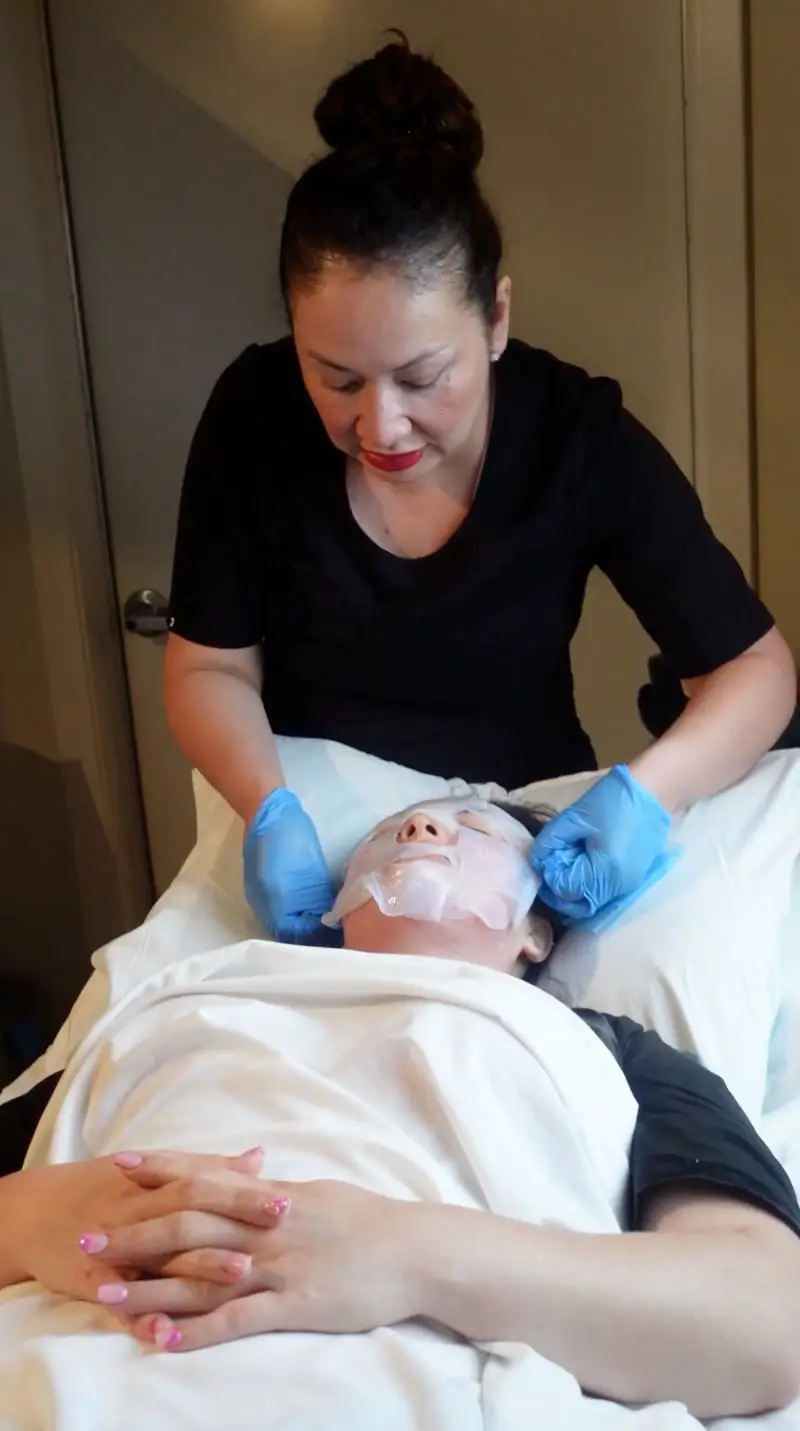
Scar treatment does not start on the same postoperative day for everyone.
At Zen, care is clinically guided, with a physician as part of our care team and your surgeon’s postoperative instructions taken into account. We review whether the incision is closed, how the scar and surrounding tissue are healing, whether swelling or fibrosis is still developing, and whether any postoperative restrictions affect treatment.
Timing depends on the surgery, the scar, and the modality being considered.
We review:
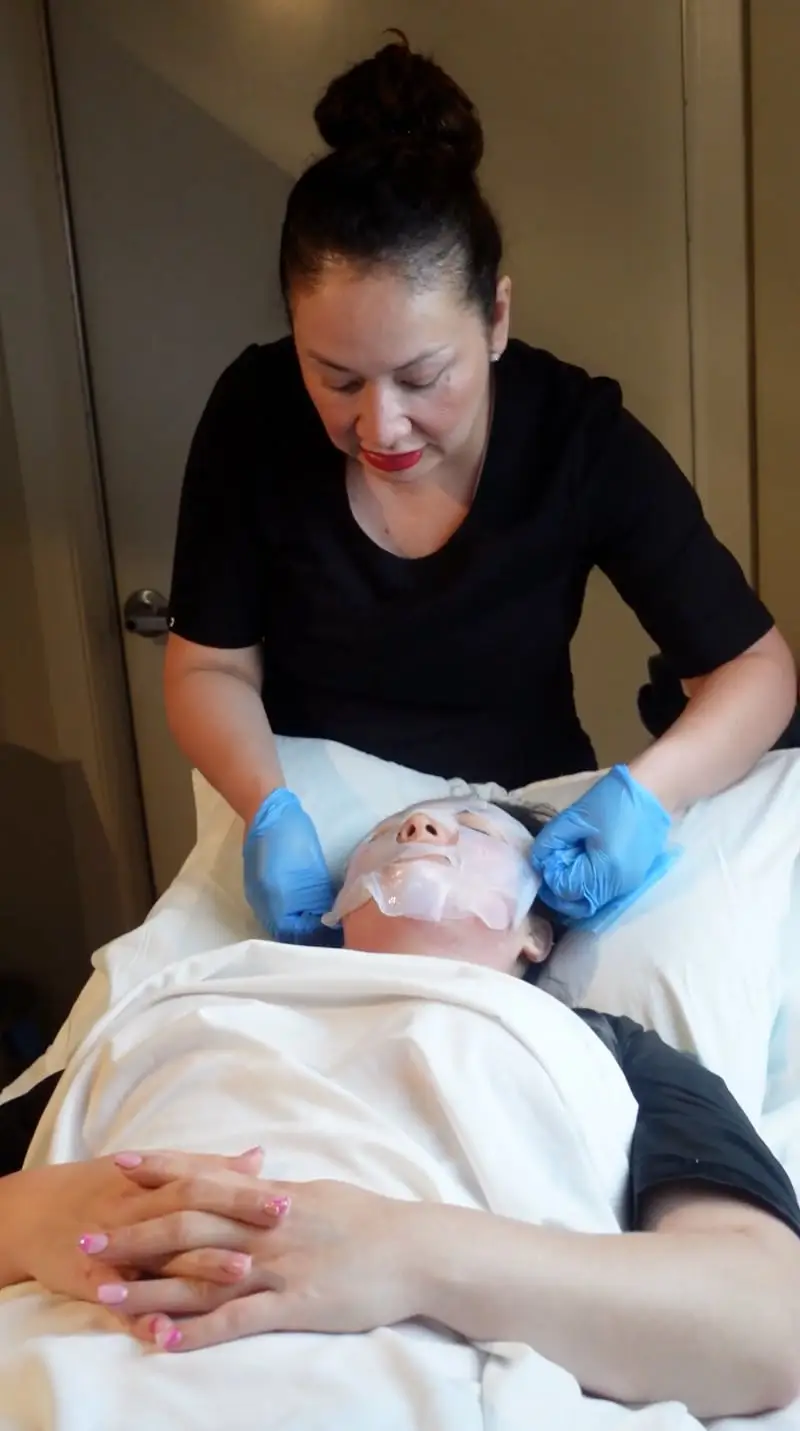
We work with tissue recovering from plastic, reconstructive, and body-contouring procedures.
We assess firmness, fibrosis, swelling, and tissue restriction around the incision, not just the surface appearance.
Scar care can be coordinated with LED, medical radiofrequency, manual lymphatic drainage, and compression support when appropriate.
Zen’s recovery team includes licensed healthcare professionals, with care matched to the complexity of the patient and RN guidance within the care model.
If a surgical scar remains raised, red, firm, thickened, itchy, tender, tethered, or surrounded by hard tissue, we can evaluate what is contributing to it and what treatment approach makes sense.
Tell us what surgery you had, when it was performed, and what has changed in the scar since then.
It can be, with the right device and settings. Deeper skin tones carry a higher risk of pigment changes, so we assess your skin type and the scar before recommending treatment, and we help you prepare your skin beforehand. Read more about CO2 laser for surgical scars.
There is no universal starting point. Timing depends on incision healing, scar development, the procedure performed, and the treatment being considered.
We provide private post-operative care throughout San Francisco and the Bay Area, including:
If you’re recovering nearby and don’t see your location listed, reach out. We may still be able to arrange care based on availability.