
The first weeks after surgery can involve swelling, tenderness, firmness through treated tissue, and visible changes around an incision as it begins to heal.
We use LightStim LED therapy as one of our post-surgical recovery treatments in San Francisco. Conveniently located to serve San Francisco and the Bay Area, including the Peninsula, San Mateo, Redwood City, Palo Alto, Menlo Park, Mountain View, and South San Francisco.
LightStim LED therapy
Post-surgical tissue recovery and scar support
Manual lymphatic drainage and other post-surgical treatments
45+ minutes
LED itself does not puncture, peel, or resurface the skin
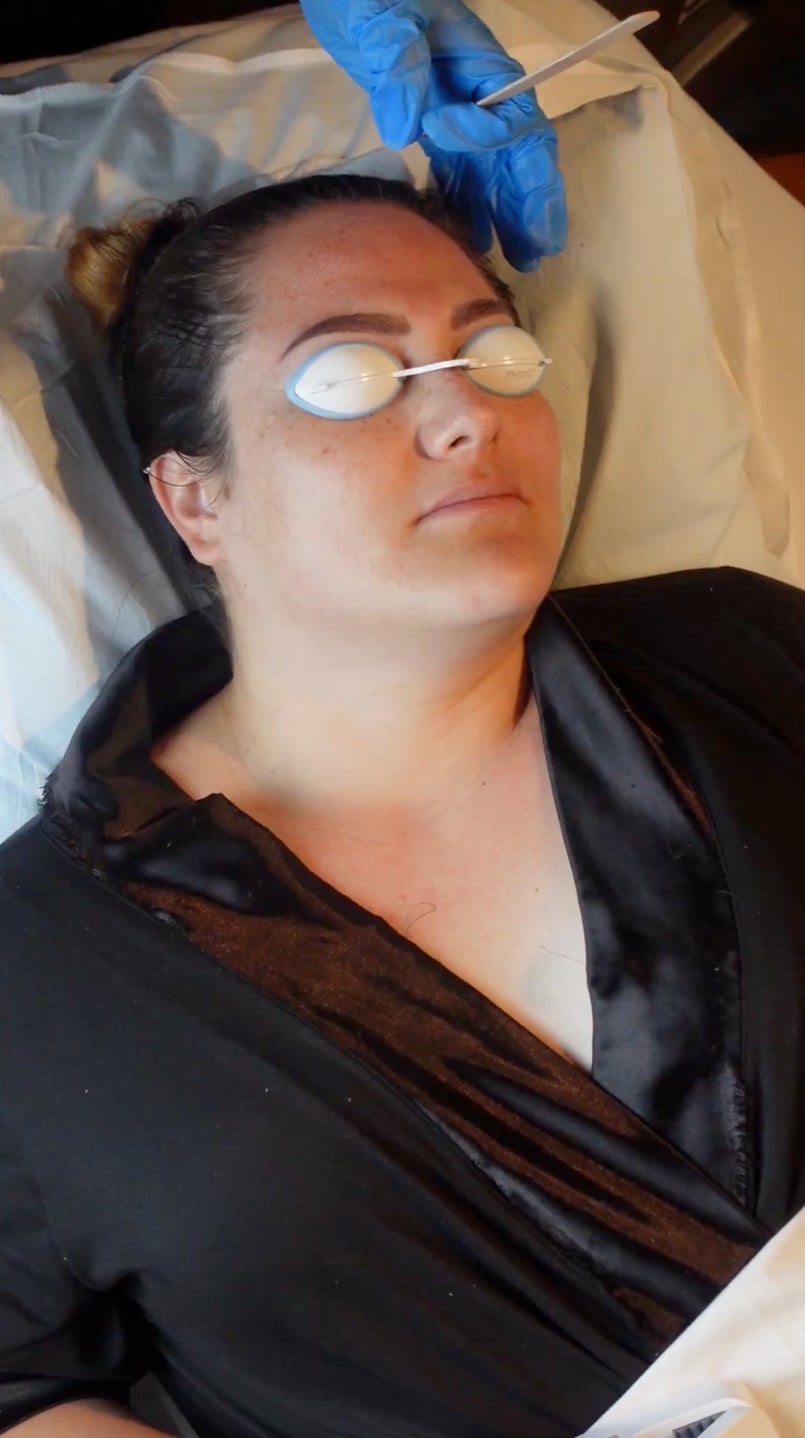
LED light therapy is a form of photobiomodulation. Red and near-infrared light used in photobiomodulation interacts with cellular pathways involved in energy production, inflammation, and tissue remodeling.
Ideal for treating or supporting:
Early research suggests photobiomodulation may influence fibroblast activity, collagen production, and fibrotic signaling involved in keloid formation.
LED therapy is used as an adjunct to appropriate wound care, scar management, compression, lymphatic drainage, and your surgeon’s postoperative plan.
Before treating a surgical area, we look at:
An early incision, a mature scar, and an area developing significant fibrosis are not the same problem.
They should not automatically receive the same treatment.
Manual lymphatic drainage and LED address different parts of postoperative recovery.
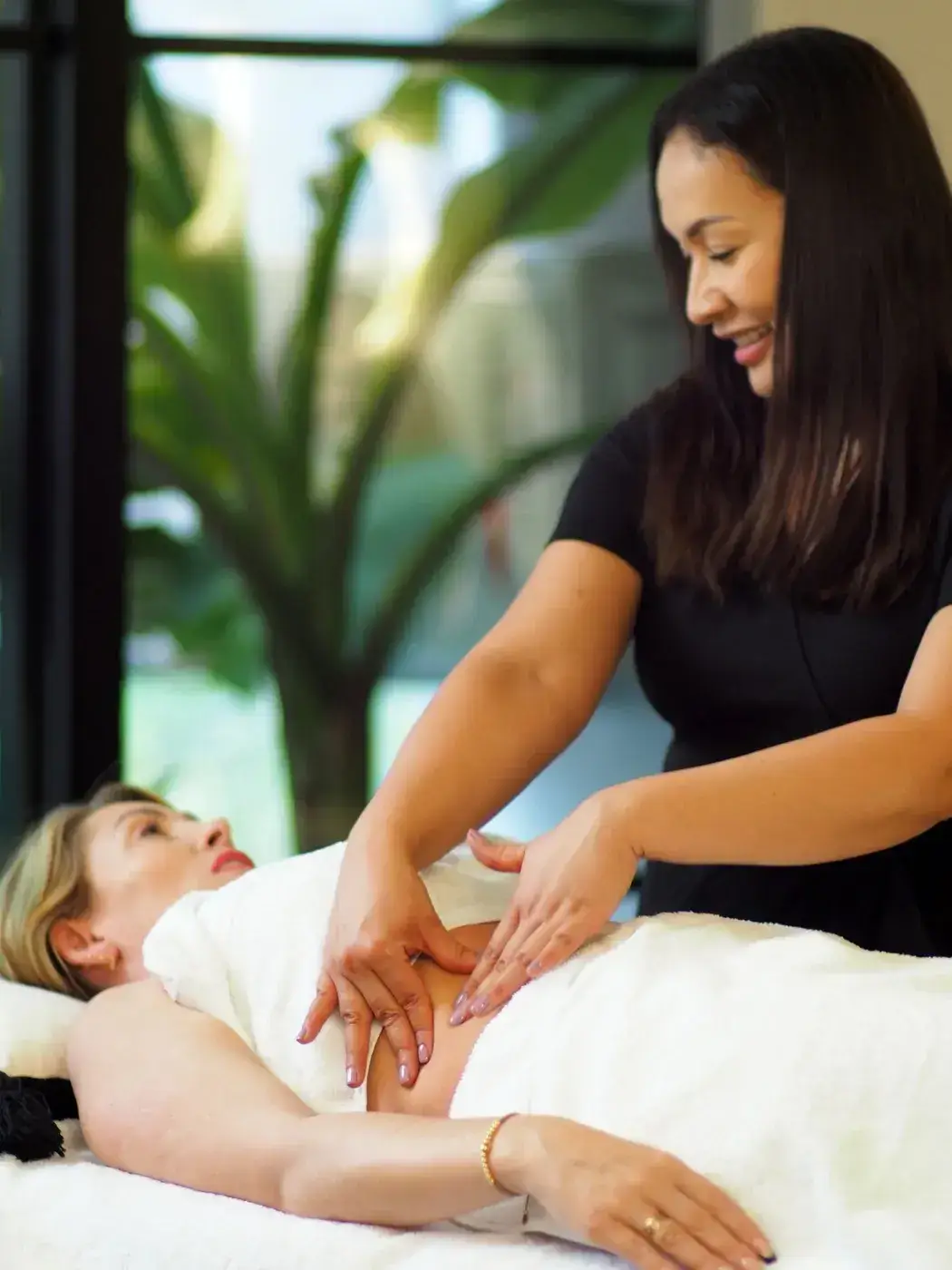
After surgery, excess fluid can accumulate within inflamed tissue. Manual lymphatic drainage uses gentle, superficial movements to help redirect that fluid toward functioning lymphatic pathways.
We then use LightStim LED at the end of the treatment when LED is appropriate for our patient.
This is especially useful because swelling and scar development are not separate stages with a clean dividing line. Tissue can still be swollen while an incision is beginning to remodel.
Instead of automatically booking one modality for every concern, we can determine which part of the visit needs to focus on fluid, tissue changes, scar development, or another recovery issue.
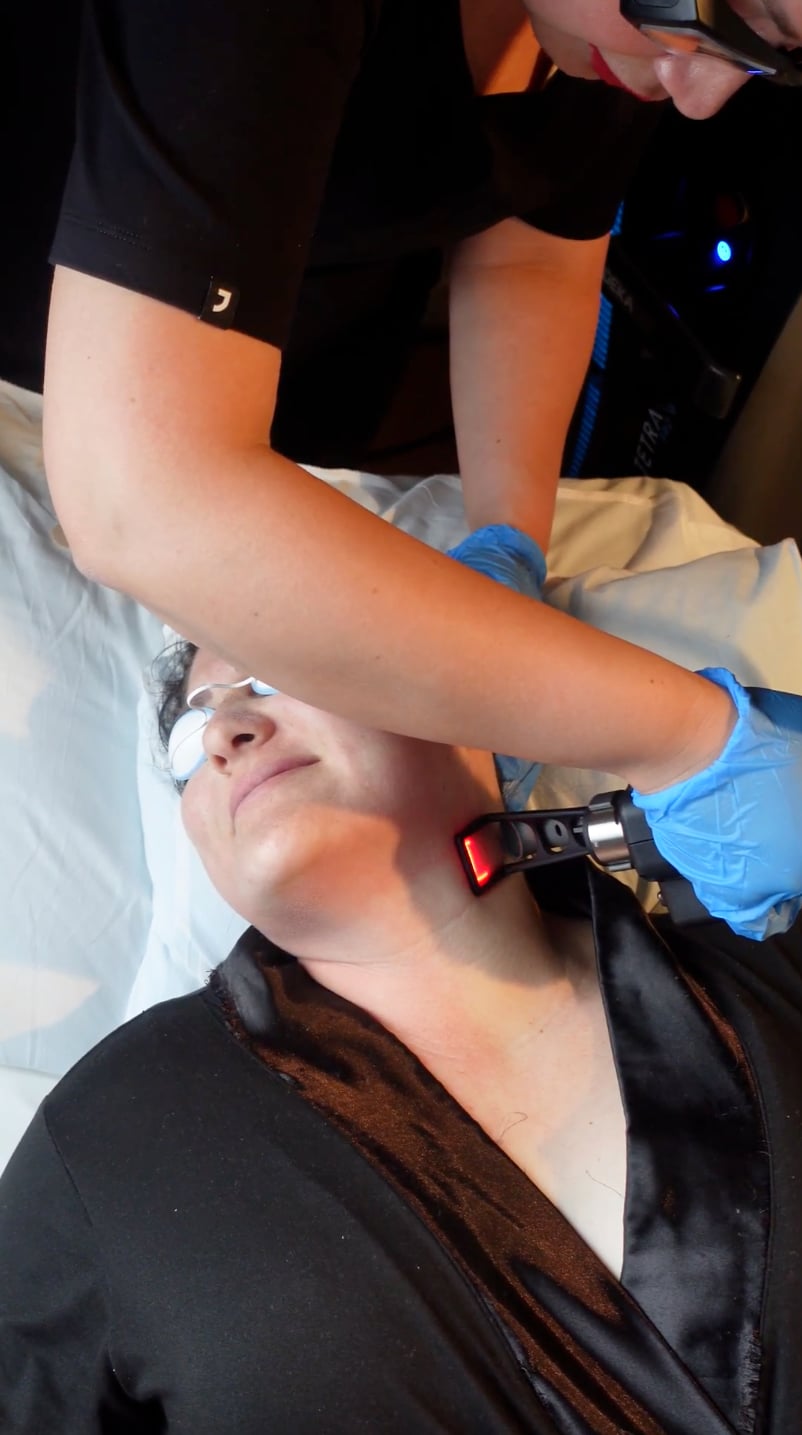
Timing depends on your surgery and stage of healing, so LED is introduced only when the treatment area is ready and it is appropriate for your recovery.
LED therapy is also provided within a clinically guided recovery plan, with a physician as part of our care team and your surgeon’s postoperative instructions taken into account. We closely review the procedure you had, how your incision and surrounding tissue are healing, whether drains or dressings are still in place, and any restrictions that could affect treatment.
Red light therapy is one type of LED-based photobiomodulation.
Photobiomodulation can use visible red light and near-infrared wavelengths. Different devices use different wavelength combinations and treatment parameters.
Zen uses LightStim technology for LED treatment.
LightStim is an LED photobiomodulation system.
LightStim devices use combinations of therapeutic light wavelengths. The exact wavelengths and FDA-cleared indications depend on the LightStim device being used.
At Zen, LightStim is incorporated into post-surgical recovery care when appropriate.
Clinical trials of red and near-infrared photobiomodulation have reported improvements in several post-surgical scar measures, including firmness, thickness, pliability, color, pain, and overall scar scores.
Results and treatment parameters vary between studies.
LED should therefore be considered an adjunct to scar management rather than a treatment that guarantees scar removal.
No treatment can guarantee that a surgical scar will disappear.
LED is used to support the scar-remodeling process. Other scar treatments may also be appropriate depending on the scar’s age, thickness, color, texture, and location.
Yes.
We may use LightStim LED at the end of a manual lymphatic drainage treatment when appropriate.
MLD is used to address postoperative fluid and swelling. LED is a separate modality that can be incorporated into the same broader recovery plan.
There is no universal start date.
Timing depends on the operation, incision status, treatment area, postoperative complications, and your surgeon’s instructions.
Contact us with your procedure and surgery date so we can evaluate the appropriate timing.
LED does not involve needles, injections, cutting, or resurfacing.
The surgical area itself may still be tender, so comfortable positioning and avoiding pressure on restricted areas remain important.
There is no single evidence-based number of sessions for every type of postoperative scar.
Published studies use different treatment frequencies and doses, and different surgeries create different healing patterns.
Your treatment frequency should be based on what is being treated and how the area responds.
Drains and dressings do not automatically tell us whether LED is appropriate.
They do tell us that the surgical area is still in an active stage of recovery and needs to be assessed before treatment.
We review the location of drains and dressings, incision status, and surgeon instructions before treating the area.
No.
New drainage, an opening incision, worsening redness, signs of infection, unusual swelling, uncontrolled pain, or another concern about surgical healing belongs with your surgeon.
LED is supportive postoperative care. It does not replace surgical follow-up or treatment of a complication.
We provide private post-operative care throughout San Francisco and the Bay Area, including:
If you’re recovering nearby and don’t see your location listed, reach out. We may still be able to arrange care based on availability.