The first few days after rhinoplasty are usually about getting through the swelling, congestion, pressure, and general discomfort while protecting the nose as it heals. You may be sleeping elevated, using cold compresses, avoiding nose blowing and strenuous activity, doing nasal rinses and following specific instructions on how to protect splints and manage nasal drainage.
We’re here to help with the day-to-day recovery piece so you can focus on healing and follow your surgeon’s plan.
Conveniently located to serve San Francisco and the Bay Area, including the Peninsula, San Mateo, Redwood City, Palo Alto, Menlo Park, Mountain View, and South San Francisco.
Surgery-Day Pickup
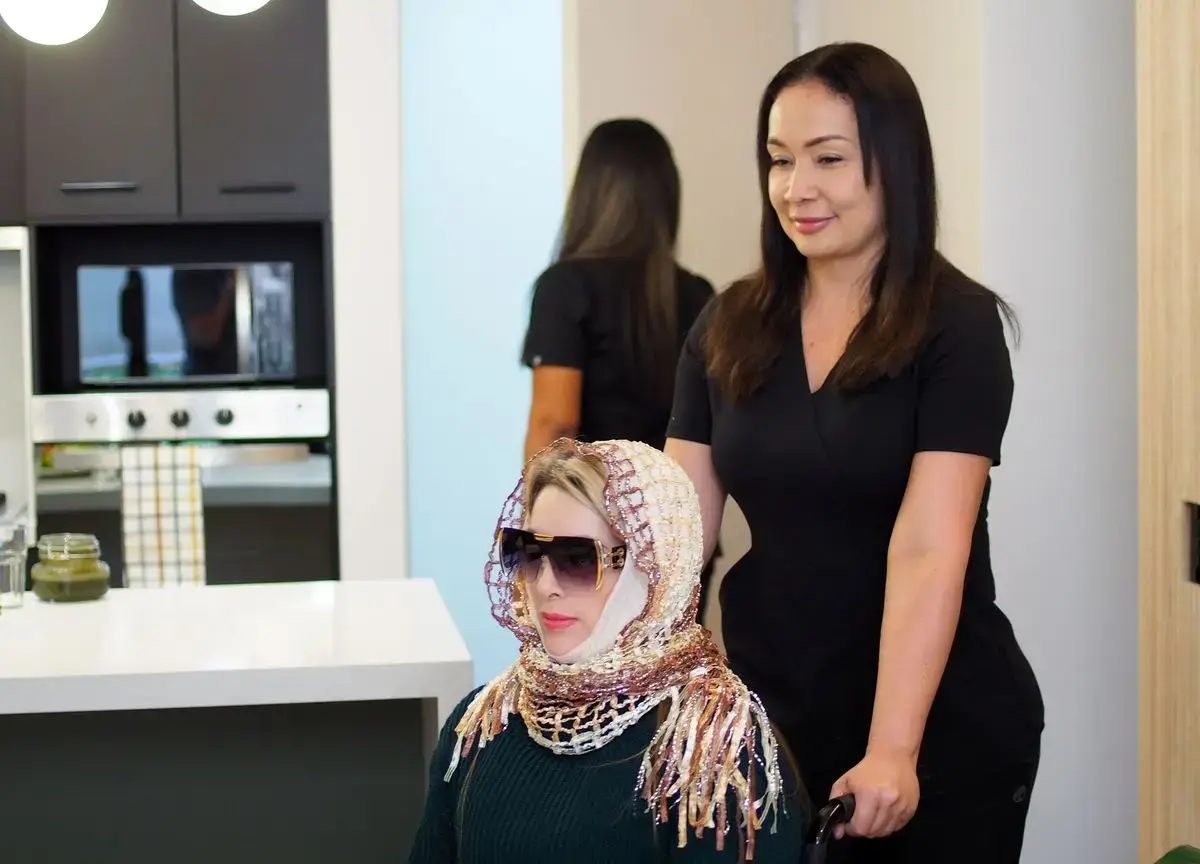
Private transportation from surgery to your recovery location.
Care Matched to You
Registered Nurse, Licensed Vocational Nurse, or Certified Nursing Assistant support as needed.
Home, Hotel, or Private Suite
Choose the recovery setting that works best for you.
Flexible Support
Care for the first night, a few days, or longer if needed.
Our licensed healthcare professionals help coordinate the practical pieces around your surgery, including pickup, where you will recover, first-night care, medications, supplies, and follow-up transportation. Your surgeon directs the medical plan, and we help carry that plan into the first days of recovery so you are not managing the logistics on your own.
Have the basics ready before surgery:
Our team of licensed healthcare professionals can walk you through the recovery setup beforehand so you know what to have ready and what support is already in place.
Depending on your procedure, you may leave surgery with an external cast, internal splints, packing, dressings, and a small drip pad under the nose.
During the first few days:
We help with the practical side of this care, including medications, positioning, comfort measures, hydration, and keeping your surgeon’s instructions organized. We remind you what to do at each step and teach your loved ones how to help.
The first few days are mainly about getting comfortable, managing symptoms, and adjusting to breathing differently.
You may experience:
The constant stuffiness can be one of the biggest surprises. Patients often expect some pain and swelling, but do not always anticipate how uncomfortable mouth breathing can feel.
This is also when having another person manage the practical details can be especially helpful.
You may feel tired, congested, uncomfortable, and overwhelmed by how different breathing feels. The focus is getting you settled, keeping prescribed medications organized, supporting hydration and nourishment, and helping you rest comfortably. Icing is key to help prevent excessive swelling and pain, while making sure to keep the cast from getting wet.
Nasal and sinus pressure, stuffiness, forehead or nose discomfort, and mouth breathing may be especially noticeable. This is often when patients appreciate having professional support nearby instead of managing everything themselves or relying on family.
Many of our rhinoplasty patients start to feel more independent by the second day. You may still feel congested and uncomfortable, but everyday needs can start becoming easier to manage.
Recovery continues beyond the period when you need hands-on help. Your surgeon will guide the next stages, including activity, follow-up appointments, and any procedure-specific restrictions.
We can pick you up from your surgery center and bring you to your home, hotel, or private recovery suite. We can be present during your discharge to ask the right questions.
Your plan may include an RN, LVN, CNA, or a combination based on an evaluation of your recovery needs, procedure, surgery length, health history, recovery setting, and available support system. LVNs and CNAs work under RN guidance, while your surgeon directs the surgical recovery plan.
We help keep prescribed medications organized, monitor vital signs, support hydration, icing and food as tolerated, assist with positioning, and help you manage congestion, mouth breathing, pressure, discomfort, and anxiety.
Your care can also include patient and family education, prescription pickup, healthcare advocacy, and coordination with your surgeon’s practice when needed.
For patients who benefit from additional comfort measures, aromatherapy, reflexology, and therapeutic music may also be incorporated into the plan of care to support relaxation and sleep during early recovery.
We can support you at home, in your hotel, or in our private recovery suite. The suite includes a private room and bathroom, adjustable bed, meal support, accessible entrance, and 24/7 nursing support.
Aromatherapy and reflexology may also be incorporated into your suite stay as part of a more holistic recovery experience.
Transportation home is available, and rides to post-op appointments or prescription pickup can be arranged for an additional cost. Your care can continue if you need more support before transitioning to family or another caregiver.
As you become more independent, we can also help you and your family understand what still needs to be managed at home and how to continue following your surgeon’s instructions.
We do more than concierge post-op care. As you move beyond the first days after surgery, we also offer additional services that may support healing, swelling, tissue recovery, and post-op scars.
These services are booked separately and are not included in standard rhinoplasty aftercare:
Gentle support for post-surgical swelling and fluid buildup
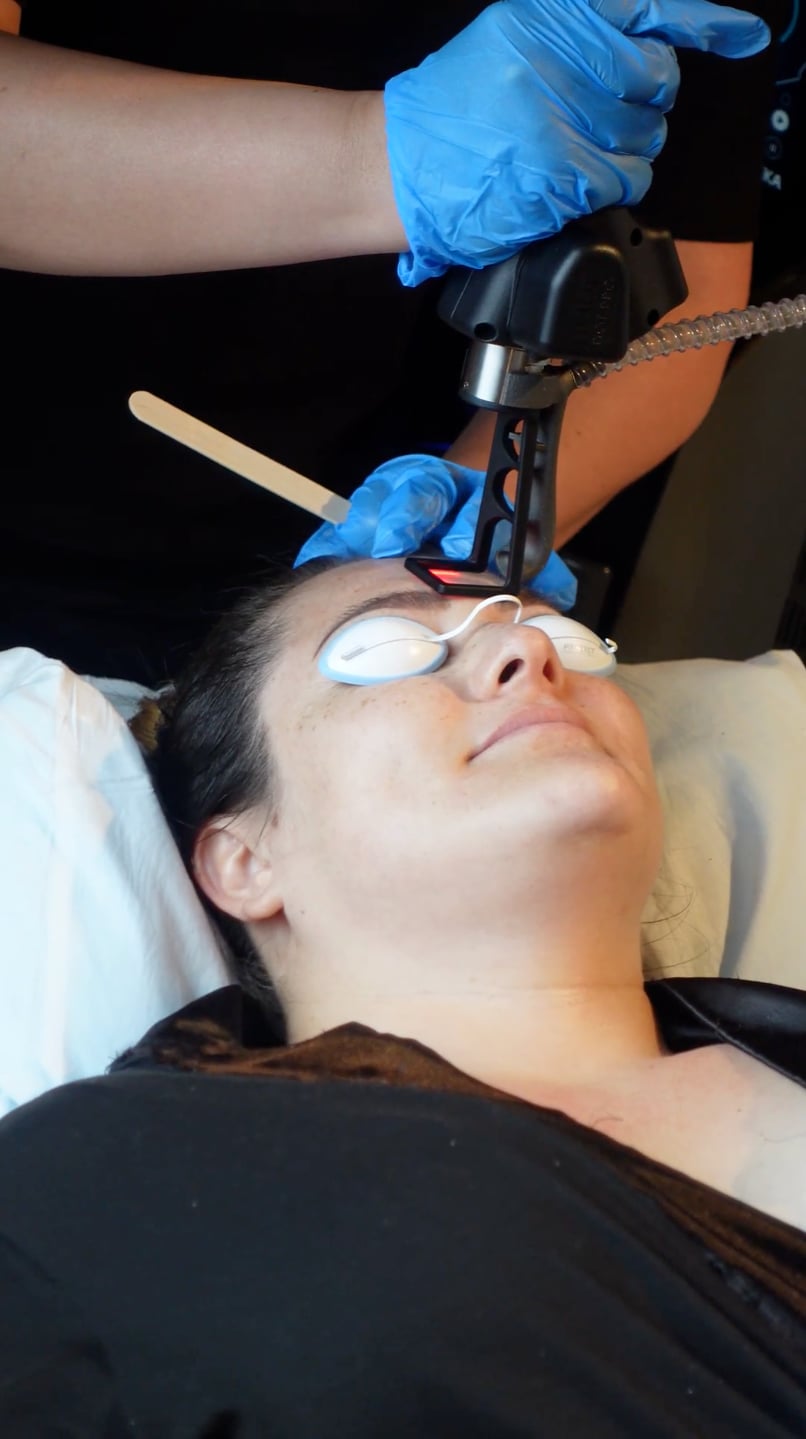
Light-based treatment that may be added during later recovery
Supportive taping used when appropriate as healing progresses
Focused treatment once incisions have healed enough for treatment
We can help you understand when these services may be appropriate once your surgeon clears you for additional treatment.
Your surgeon will give you procedure-specific restrictions, and we help you follow them closely. In general, that may include avoiding nose blowing, pressure on the nose, heavy lifting, strenuous activity, and removing splints, packing, or dressings on your own.
You do not have to keep track of every restriction by yourself. We review your surgeon’s instructions with you and help carry them into your day-to-day recovery.
For many patients, it is the congestion and mouth breathing, not pain alone. Nasal and sinus pressure, forehead or nose discomfort, and the feeling of not being able to breathe normally through the nose can also create anxiety. These are concerns we see repeatedly in early rhinoplasty recovery.
We know what this stage can feel like, so we help with positioning, prescribed medications, hydration, comfort measures, and reassurance through the first night and following days to improve relaxation and help with sleep. We also assess the patient’s status and make suggestions to surgeons to order new medications or change current ones.
Only if your surgeon has included taping in your post-op plan.
Rhinoplasty and septoplasty patients may leave surgery with different combinations of internal splints, packing, dressings, or taping. We do not introduce a separate routine. We follow your surgeon’s instructions and guide you through exactly what applies to your procedure.
Most patients do not need prolonged strict bed rest. You will need plenty of rest, but your recovery plan may also include getting up safely, staying hydrated, eating as tolerated, and gradually becoming more independent. You can take gentle walks outside and inside the house with supervision and assistance if you are still groggy because of the anesthesia.
In our experience, many rhinoplasty patients begin needing less hands-on help around day two, although congestion and healing are still ongoing.
We help you understand when to rest, when to move, and how to do both without working against your surgeon’s restrictions.
We recommend contacting us as soon as your surgery date is confirmed.
If you want to recover in our private suite, about one month of notice is preferred when possible. Last-minute care may still be available depending on scheduling.
Once we know your procedure, surgery date, and recovery location, we can help you plan the support around it before surgery day.
Yes.
We can coordinate pickup from your surgical facility and bring you to your home, hotel, or our private recovery suite. From there, we can continue with first-night or extended post-op care based on what you need.
That means transportation and hands-on recovery support can be planned together instead of leaving you to coordinate separate providers.
You do not need to figure that out yourself.
We look at the complexity of your procedure, your current health and recovery needs, how much hands-on help you are likely to need, where you are recovering, and whether family support is available.
Your care may involve a Registered Nurse, Licensed Vocational Nurse, Certified Nursing Assistant, or a combination of professionals. Licensed Vocational Nurses and Certified Nursing Assistants are guided by Registered Nurses, and your surgeon remains responsible for directing the surgical recovery plan.
Your surgeon plans the procedure.
Make sure you also know who is getting you home, where you will recover, and who will be there when you need help afterward.
Tell us your surgery date and recovery plans, and we will help you put the support in place before surgery day.
We provide private post-operative care throughout San Francisco and the Bay Area, including:
If you’re recovering nearby and don’t see your location listed, reach out. We may still be able to arrange care based on availability.